

Grampians Hip & Knee Clinic Patient Portal
What is Knee Osteoarthritis?
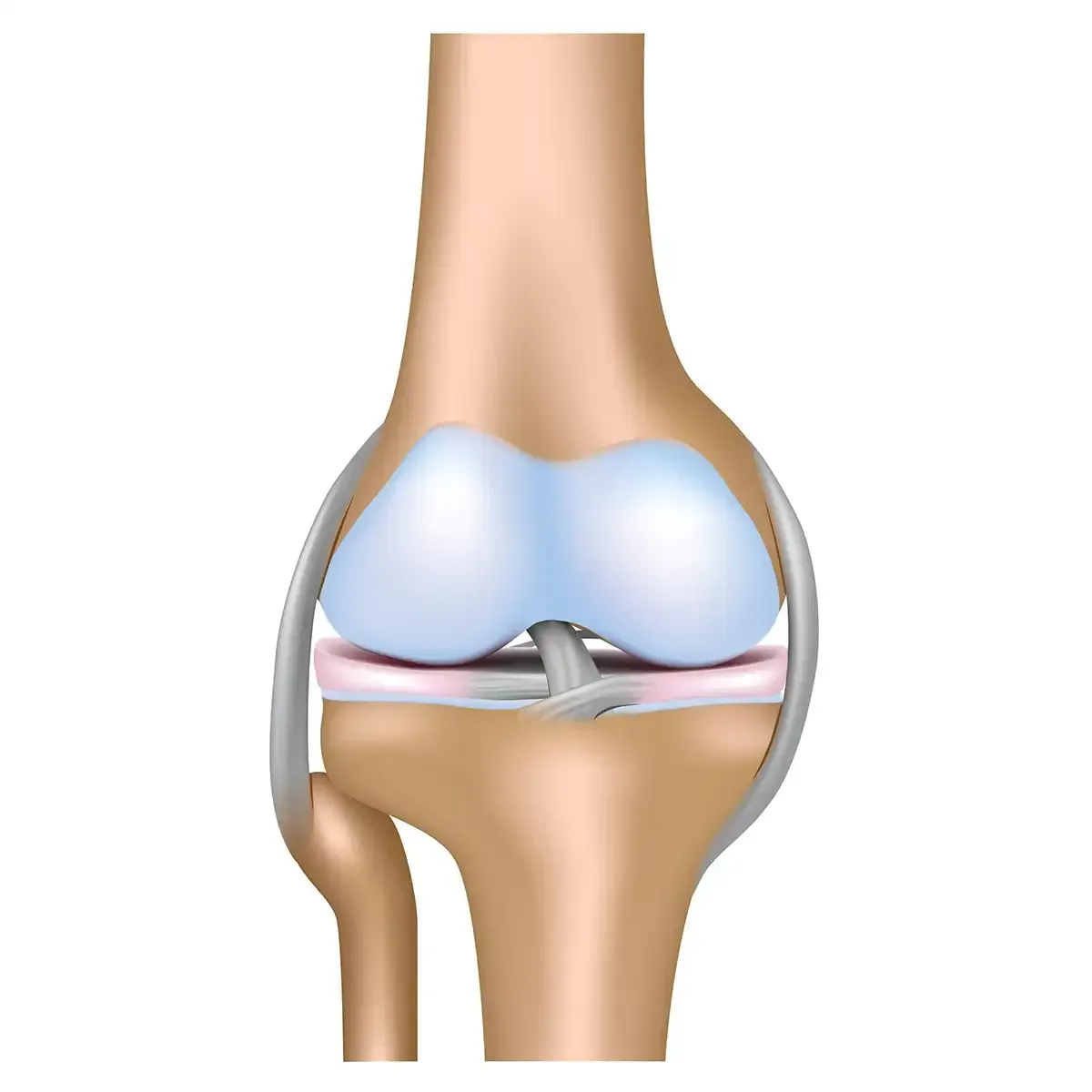
What is Knee Arthritis?
Knee Arthritis is wear and tear of the knee joint over time.
Think of your knee like a hinge with a smooth cushion inside. That cushion is called cartilage, and it helps the bones glide over each other without pain. In osteoarthritis, that cushioning gradually breaks down.
Here’s what that means in simple terms:
- The padding wears out
The smooth cartilage becomes thin or rough, so the bones don’t move as easily. - Bones start rubbing more
Without enough cushioning, the bones can rub against each other, causing pain and stiffness. - The joint gets irritated
The knee may swell, feel warm, or become inflamed. - Movement becomes harder
You might notice: - Pain when walking or climbing stairs
- Stiffness after sitting for a while
- A “grating” or crunching feeling
- Reduced ability to fully bend or straighten the knee
- It usually develops slowly
It’s more common as people get older, but it can also happen earlier due to injuries, extra weight, or heavy use.
Simple way to picture it: It’s like the tread on a tire wearing down—once it’s gone, things don’t run as smoothly.
Treatment for knee osteoarthritis usually happens in
stages, starting simple and only moving to surgery if things get really severe. The goal is to
reduce pain, improve movement, and slow things down.
Step 1: Simple Everyday Strategies
These can make a big difference early on:
Stay active (but smartly)
Gentle movement keeps the joint from stiffening. Some good options include:
- Walking
- Cycling
- Swimming
Too much rest actually makes stiffness worse.
Weight management
Even a small amount of weight loss:
- Takes pressure off the knee
- Can noticeably reduce pain
Heat and cold
- Heat → relaxes stiffness
- Ice → helps swelling after activity
Step 2: Targeted Exercises
These are one of the most effective treatments.
Strengthening exercises
Stronger muscles = less load on the knee. See our exercise videos below.
Key focus:
- Thigh muscles (quadriceps)
- Hamstrings
Example:
- Straight leg raises
- Sit-to-stand from a chair
Flexibility and stretching
- Keeps the joint moving smoothly
- Reduces stiffness
Why exercise works
It acts like a natural support system, taking pressure off the worn cartilage.
Step 3: Medications
Simple painkillers
- Paracetamol
Often tried first for mild pain.
Anti-inflammatory drugs
- Ibuprofen
- Naproxen
These help reduce pain and swelling but are not ideal for long-term use without medical advice.
Topical creams
Anti-inflammatory gels rubbed onto the knee can have fewer side effects than tablets.
Step 4: Supportive Aids
Braces or supports
- Help stabilize the knee
- Can reduce strain on certain areas
Walking aids
A cane or walking stick can:
- Improve balance
- Reduce pressure on the knee
Step 5: Injections
Corticosteroid injections
- Reduce inflammation quickly
- Relief may last weeks to months
Other injections
Other injections such as lubricating fluid injections may help improve joint movement but results vary between people.
Step 6: Surgery
If pain is severe and daily life is affected, surgery may be used as a last resort.
Arthroscopy
Although less common now, an Arthroscopy is "Keyhole” surgery that cleans out loose debris. It is not very effective for most osteoarthritis cases.
Osteotomy
An Osteotomy is a surgical procedue to reshape the bone to improve alignment. The aim is to shifts weight away from damaged area.
Knee replacement surgery
- Damaged joint is replaced with artificial parts
There are two main types:
- Partial knee replacement
- Total knee replacement
This is the most effective option for
severe pain and disability, with good long-term outcomes.
Osteotomy
- Bone is reshaped to improve alignment
- Shifts weight away from damaged area.
The Big Picture
Treatment usually follows this path:
Lifestyle
→
Exercise
→
Medications
→
Injections
→
Surgery
Most people never need surgery if they manage it well early.
What does Knee Replacement Surgery involve?
Total knee replacement surgery is one of the most common orthopaedic operations performed each year. It is an effective treatment for symptomatic arthritis of the knee and allows the patient return to a more active lifestyle and significantly improves pain levels.
Realistic activities following total knee replacement surgery are walking, gentle hiking, swimming, cycling, ball-room dancing, golfing and other low impact sports.
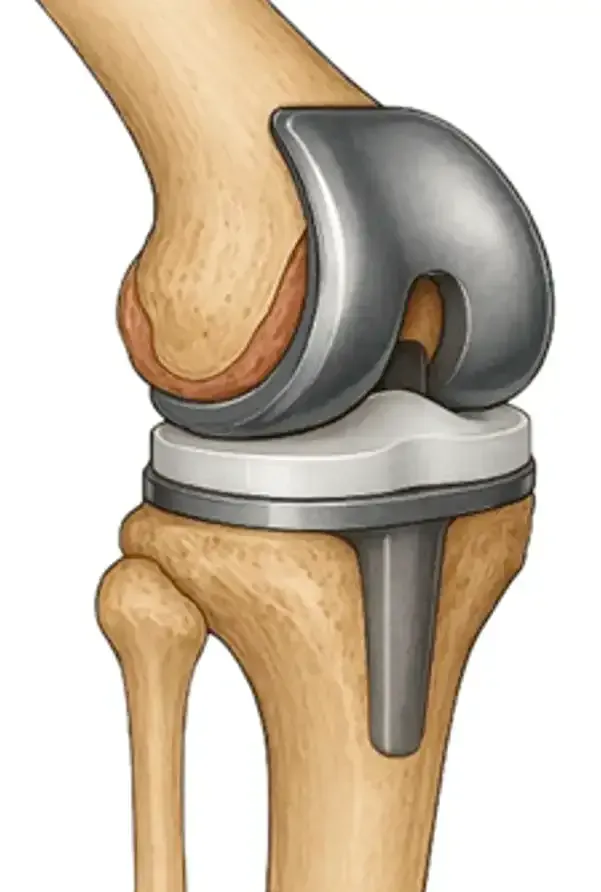
The principles of knee replacement surgery (also called a Knee Arthroplasty) are about removing damaged joint surfaces and replacing them with smooth, artificial parts so the knee can move comfortably again.
Here’s a clear, simple breakdown:
1. Replace the Damaged Surfaces, Not the Whole Knee
During a knee replacement, the surgeon does not remove the entire knee. Instead, only the worn cartilage and a thin layer of damaged bone are removed, while as much healthy bone and tissue as possible is preserved. This approach helps maintain the knee's natural structure and supports a more functional outcome.
2. Recreate a Smooth, Gliding Joint
The rough, painful joint surfaces are replaced with artificial components designed to move smoothly against one another. Metal components are fitted to the ends of the thigh bone (femur) and shin bone (tibia), with a durable plastic spacer placed between them. Together, these materials create a low-friction surface that functions much like healthy cartilage, allowing the joint to move more comfortably.
3. Restore Proper Alignment
An important goal of knee replacement surgery is to restore correct leg alignment and balance. If the knee has become bow-legged or knock-kneed due to arthritis or wear, the surgeon corrects this during the procedure. Proper alignment helps distribute weight evenly across the joint, reducing stress on the implant and improving its longevity.
4. Balance the Ligaments
The ligaments around the knee play a crucial role in stability. During surgery, the surgeon carefully adjusts or releases any tight ligaments and ensures that both sides of the knee are evenly balanced. This helps the new joint feel stable and secure, without being either too loose or too tight.
5. Ensure Stable Fixation of the Implant
For a successful long-term outcome, the artificial components must be firmly attached to the bone. This is often achieved using special bone cement, although some implants are specifically designed to allow natural bone to grow into them over time. Secure fixation helps ensure the implant remains stable and functional for many years.
6. Restore Function and Movement
The primary aim of knee replacement is to reduce pain and improve everyday function. Most patients experience greater ease with activities such as walking, climbing stairs, and moving about independently. While the new joint is not intended to feel exactly like a natural knee, it is designed to provide reliable, functional movement and a better quality of life.
7. Minimize Complications
Throughout the procedure and recovery period, surgeons take careful steps to reduce the risk of complications such as infection, blood clots, and implant loosening. These measures include strict sterile techniques, appropriate medications, and encouraging early movement after surgery to support recovery.
8. Enable Early Rehabilitation
Recovery and rehabilitation are fundamental parts of the knee replacement process. Patients are often encouraged to stand and walk within the first day after surgery, and physiotherapy begins early to help restore strength, flexibility, and range of motion. Early rehabilitation supports a smoother recovery and helps patients return to normal activities as quickly as possible.
A simple way to think about it is that knee replacement is like
resurfacing a worn-out hinge,
realigning it, and tightening it
so it moves smoothly again.
If you have any questions or concerns regarding your surgery or recovery, please contact the clinic.