

Grampians Hip & Knee Clinic Patient Portal
Preparing for Surgery
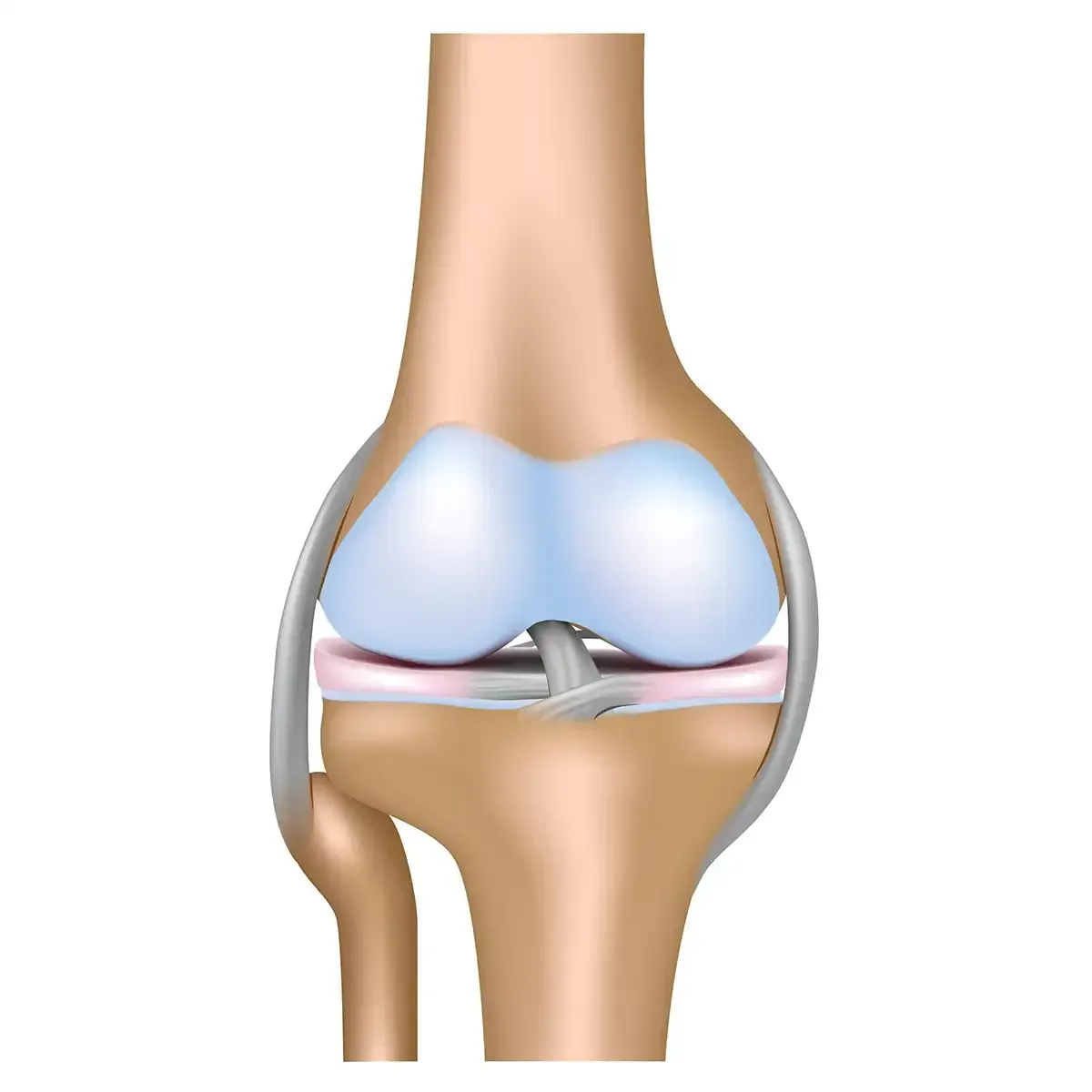
Preparing yourself for surgery
Dental care prior to joint replacement surgery
It is recommended that patients have good dental hygiene when undergoing joint replacement surgery. The oral cavity harbours a large number of bacteria and gingivitis (inflamed gums) or dental infections can allow this bacteria to gain access into the bloodstream which can then result in an infection in your joint replacement. A dental review to rule out active infection or potential dental risks prior to surgery helps to minimise the risk of infection.
You should attempt to see a dentist a minimum of four weeks prior to your surgery to allow time for any dental work that may need to be done.
If you attend your dentist regularly and there are no stated concerns, then an additional review is not necessary prior to surgery.
It is generally recommended that you avoid dental work for the first three to four months following surgery.
Actions
See a dentist at least 4 weeks before your surgery
Ask the dentist to check for infection or potential risks.
Avoid dental work for the first 3 to 4 months following surgery.
Smoking
It is imperative that you discontinue smoking prior to your surgery.
Smoking has been associated with numerous complications following joint replacement surgery. It is recommended that you discontinue smoking for a minimum of six weeks prior to your surgery.
Actions
Stop smoking at least 6 weeks before your surgery.
If you have Diabetes...
Optimizing your blood sugar control before and after surgery reduces your rick of complication such as peri-prosthetic joint infection.
You will have a HbA1c blood test (non-fasting) ordered by Mr Dillon prior to surgery. This should be less than 7.5 before safely proceeding with your surgery. This reflects your overall diabetic control over the months prior to your surgery.
If this is noted to be high, then you will have to strongly adhere to a stricter diabetic diet and possible changes to your diabetic medication regime. It will not improve overnight, and your surgery may have to be postponed until your blood sugar is under better control.
Actions
Complete your non-fasting HbA1c blood test.
Skin care prior to joint replacement surgery
It is important that your skin is in optimal condition prior to and after your joint replacement surgery.
The skin is a natural barrier to bacteria and infection. Any breach to this natural barrier such as cuts, grazes or ulcers increase your risk of infection in your joint replacement. Cat scratches and dog bites are other ways your skin barrier can be compromised. Simple measures that you should adhere to are:
- Washing the surgical site and your entire body with anti-septic soap such as chlorhexidine the night before and the morning of your surgery. You will be given this soap by our staff prior to your surgery.
- Avoid shaving the surgical area for up to three days prior to surgery.
- Do not put moisturising cream on your skin for three days prior to surgery as it can affect how we paint anti-septic liquid on your leg at surgery.
- Avoid getting scratches and grazes to your leg in the weeks coming up to surgery (stay out of your garden!)
- If you have psoriasis, please apply your treatment regularly to optimise the condition of your skin. If necessary, you may need to consult your general practitioner or dermatologist for treatment advice.
Actions
Wash your entire body with anti-septic soap the night before and the morning of your surgery.
Sleep on clean sheets the night before surgery.
Don't shave the area in the 3 days preceding surgery.
Don't use moisturiser in the 3 days preceding surgery.
Avoid scratches and grazes on your leg in the weeks before surgery.
Don't sleep with pets the night before surgery.
Managing Blood thinners
You may be taking blood thinners (either aspirin or other forms of anticoagulation eg. Warfarin, Xarelto,etc) medication for a variety of conditions.
These will need to be discontinued prior to surgery and they will be re-introduced (usually at a lower dose) once it is safe to do so. The time point at which they need to be discontinued depends on the type of blood thinner you take.
A preoperative plan will be made with you prior to surgery. If you are not clear on when to stop your medication, please ring the rooms at least a week prior to surgery so that clear instructions can be given and clarified.
Actions
Discontinue anti-coagulation medication for 3 full days prior to surgery.
Managing other medications
Discontinue taking anti-inflammatory medication eg voltaren, celebrex, mobic and turmeric, fish oils for one week prior to surgery.
Actions
Discontinue anti-inflammatory medication one week prior to surgery.
Preparing Your Home for Your Recovery
Simple measures can be taken in the build up to your surgery which will make your return home from hospital more streamlined and less stressful.
- Set up a safe and comfortable recovery area. A well supported chair with arm-rests is advised. Have a small table nearby where you can keep a phone, some water and a TV remote.
- Tidy up clutter around your area to make it easier for you to get around.
- Re-arrange furniture around your house so that you have wide passageways which make it safer and easier for you to get around.
- Remove loose rugs and carpets that could result in a trip and a fall.
- Hire a high toilet seat. This will make it easier when getting on and off the toilet in the post-operative period.
- Ensure that you have non-slip mats in your shower and bathroom.
- A shower chair can make showering safer and reduce the risk of falls. Not all showers will allow you to have a shower chair so this will depend on your bathroom layout.
- Practice using your walking aids around you house prior to the surgery.
- A pick up stick can be helpful around the house to avoid you picking things up from the floor.
- Ensure that you have frozen pre-prepared meals in your freezer in addition to having your shopping pre-ordered and delivered to your house which make things easier for you during your recovery.
- Have a number of ice packs ready and waiting in the freezer to use and rotate through when you are home to aid your recovery.
Any equipment will need to be organised by you prior to your hospital admission to avoid delay in discharge and to ensure that everything is in place when you are discharged home.
Equipment Required

Shower Chair
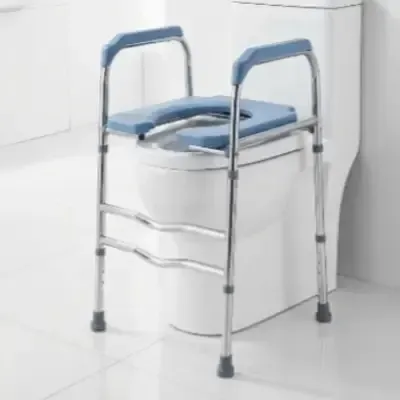
High Toilet Seat

Shower Mat
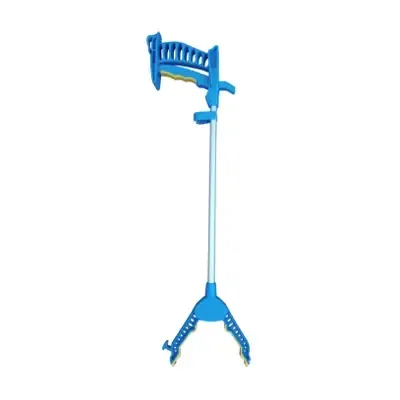
Pick Up Stick
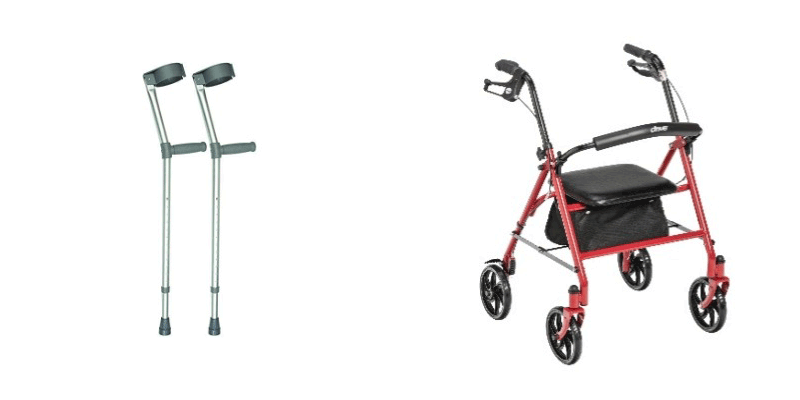
Crutches / Walking Device

Stocking Device
If you have any questions or concerns regarding your surgery or recovery, please contact the clinic.